









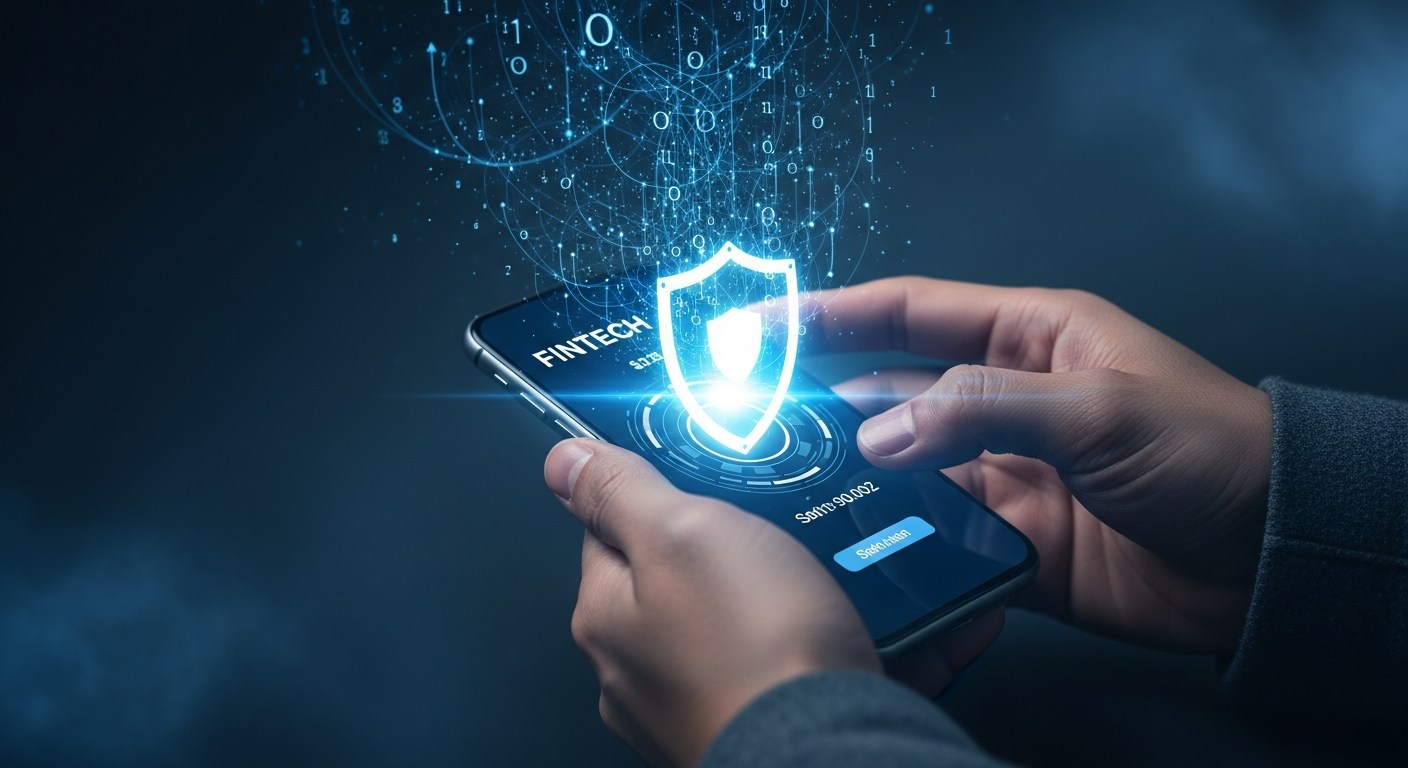
Your Finances are Secure: Digital Payments Data Privacy.
Digital Payment Security Introduction.
Digital payments are now an important element of life today as they give people the opportunity to transfer funds, pay bills and even shop online with ease. Convenience is at its highest point with mobile wallets, UPI transactions and so on. Nevertheless, with the rise of digital transactions, the data privacy and financial security issues are becoming more and more a matter of concern as well. Users also question themselves whether their sensitive data, such as bank details, password, and transaction history are indeed safe. Learning more about how your data is kept safe by digital payment systems and about what dangers to consider is vital in a cashless economy.
The functionality of Digital Payments.
Digital payment gateways work by relaying financial information between users, banks, and payment gateways. Data encryption is performed when you make a payment and safely transferred to the bank to verify the payment. Most of the technologies, such as tokenization and encryption, are significant in defending sensitive information.
Tokenization and Encryption.
Encryption codes your data, so a hacker cannot understand your data on his or her way. Instead of using sensitive data, like card numbers, tokenization includes a special symbol or token that is used to replace this information and provide an additional security layer.
Two-Factor Authentication (2FA).
The majority of payment applications rely on two-factor authentications, and the user has to confirm the payment with OTPs (One-Time Passwords) or biometrics authentication such as fingerprints or face recognition. This minimizes illegal access.
Significant Threats in Online Payments.
Although security is advanced, online payments are not as safe as they seem. Cybercriminals are continually advancing their techniques to take advantage of weaknesses.
Phishing Attacks
Phishing is a type of deceptive email, message, or site created to deceive users into disclosing sensitive data such as passwords or OTPs. Lack of awareness poses a threat to many users.
H3: Malware and Spyware
Viruses may breach your computer and monitor your keyboard actions, or steal your bank information. This risk is compounded by downloading applications of doubtful sources.
Public Wi-Fi Threats
Using shared Wi-Fi networks to engage in financial activities can subject your information to hackers. These networks usually are not secured and can be easily abused.
Data Breaches
Data breaches may occur even in large companies as hackers can have access to large volumes of information about the user. This may result in financial fraud and identity theft.
Your Financial Information Safety.
Online payment systems are considered to be secure when used properly. Fintech firms and banks spend a lot of money to ensure that their cybersecurity systems can safeguard user data. Compliance standards and regulations also make sure that companies adhere to strict guidelines of data protection. But human behavior is usually the most vulnerable aspect of security. Even the most secure systems can be pressured by such simple errors as sharing OTPs or using weak passwords.
The Best Data Protection Practices.
In ensuring their financial security, the user is the key. By taking some straightforward precautions, you can significantly reduce potential dangers.
Employ Robust Passwords
Remember: Your passwords should be complex, incorporating letters, numbers, and special characters. Avoid using easily obtainable information, like birthdays.
Never Share OTPs
OTPs are sensitive and must not be disclosed to any party whether they purport to represent your bank.
Thesis statement: Do not use Public Wi-Fi to make Transactions.
Frequently, make financial transactions over a secure and safe network.
Keep Apps Updated
Regular updates ensure your apps have the latest security fixes, protecting you from any newly discovered vulnerabilities.
Verify Payment Requests
Exercise caution at all times. Never click on payment links or requests to avoid being scammed.
Government and Regulation
The importance of governments and financial authorities in establishing secure digital payments is paramount. Legal mandates, including data protection laws and cybersecurity standards, necessitate that businesses adopt robust strategies. Across the globe, central banks have been monitoring online payment systems to fight fraud and ensure transaction security.
These initiatives promote trust among the users and make them adopt digital payments more.
Data Privacy in Online Payments.
Digital payment security is likely to be even more powerful as technology advances. Real-time detection of suspicious activities is being done using Artificial Intelligence (AI) and machine learning. The blockchain technology is also gaining momentum as a safe means of making transactions with high levels of transparency and with low risk involved. Though there is no single system that is totally secure, the ever-inventive digital payment is making it safer than ever.
Frequently Asked Questions (FAQs).
1. Is a digital payment 100 percent safe?
There is no system that is totally risk free, however when precautions are taken, digital payments are very safe.
2. What action should I take when I feel there is fraud in it?
As soon as you can, call your bank, freeze your account or card and report it to the authorities.
3. Can one save card information on applications?
It is usually harmless on most trustworthy sites, and should not be stored on unrecognized or unsecured applications.
4. What can I do to detect a phishing scam?
Be aware of suspicious links, unfamiliar senders and urgent requests demanding sensitive information.
5. Does biometric authentication enhance security?
Yes, biometrics, such as fingerprint and facial recognition, will provide a new level of security.